
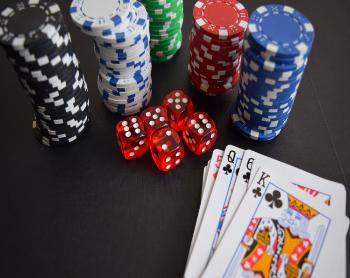

I have worked night security and table operations at two regional casinos in the Midwest for more than a decade, mostly on swing shifts that start before dinner and end long after the parking garage empties out. I did not get into the business because I was a gambler. I got into it because a cousin helped me land a weekend position during a rough stretch when construction work dried up for almost a year. Somewhere along the way I learned that casinos tell you a lot about people, especially around midnight when the noise settles and the regulars stop pretending they are only there for fun.
The Quiet Patterns You Notice After Thousands of Hours
Most people think casino work is constant chaos, but a lot of it comes down to repetition. The same retired couples arrive around the same hour every Friday. A group of warehouse workers usually grabs coffee before touching a slot machine because they came straight from second shift. I started noticing these rhythms after my first few years because the floor stopped feeling random and started feeling predictable in small ways.
The biggest thing I learned is that gamblers rarely behave like movies suggest. The loud players get attention, but the quiet ones usually stay longer and spend more money over time. I remember a customer last winter who sat at the same video poker machine for nearly six hours without raising his voice once, and he still tipped every server who walked by. People imagine casinos as giant explosions of emotion, though most nights feel more like watching routines repeat under bright lights.
I also learned how much atmosphere changes behavior. A smaller casino with lower ceilings and slower foot traffic feels calmer almost immediately. Players linger at blackjack tables longer because they can actually hear the dealer speak. A packed resort floor with music blasting through overhead speakers creates a different kind of energy that burns people out faster.
There is a smell to old casinos. Carpet cleaner and stale smoke. You never forget it.
How Online Gambling Changed Conversations on the Floor
Ten years ago nearly every discussion I overheard involved road trips, buffet prices, or parking complaints. Now people compare mobile apps while waiting for drinks, and half the younger crowd barely touches physical slot machines at all. Some of the regulars I knew years ago now split their gambling habits between live casinos and online sites they can use from the couch after work.
A dealer I worked with recently mentioned that several younger customers had been talking about umi55 during a slow weekday shift because they preferred shorter online sessions instead of driving two hours to a casino property. I understood the appeal immediately. After spending years around packed weekend crowds, I can see why some players would rather log in for forty minutes than spend an entire evening navigating parking decks, hotel elevators, and crowded cash cages.
Online gambling changed pacing more than anything else. Inside a casino, people naturally take breaks because they walk to restaurants or wander through the property. Online systems remove most of those interruptions. A customer I spoke with last spring said he barely noticed two hours had passed while betting from his phone during a baseball game at home. That stuck with me because casinos used to depend heavily on physical friction slowing people down.
I still think live casinos offer something digital platforms cannot fully copy. Human interaction matters more than people admit. A skilled blackjack dealer can completely change the tone of a table within minutes, especially during a losing streak when players start getting tense. Screens do not replace that.
The Difference Between Casual Players and Serious Gamblers
After enough years around casino floors, you can spot experienced gamblers almost immediately. They walk in without excitement and usually carry themselves like people heading into a routine errand instead of entertainment. Casual players tend to wander slowly and stare at everything. Serious gamblers already know where they are going before they step inside.
The high rollers are not always the biggest problem either. Most of the difficult situations I dealt with involved frustrated mid-level players chasing losses after a bad hour at the tables. Those are the customers security watches closely because emotions change quickly once someone blows through money they expected to last all weekend. I have seen arguments start over surprisingly small amounts.
One older poker player told me something years ago that still feels accurate. He said gambling only becomes dangerous when people start treating losses like temporary loans instead of permanent expenses. That sentence described hundreds of situations I watched unfold afterward. The healthiest regulars I knew always walked away eventually, even after good runs.
Some players never learned that lesson. A few faces disappeared quietly after rough stretches, and staff members usually avoided asking questions because everyone understood what was happening. Casinos survive on repeat business, but the experienced employees can usually tell the difference between someone having fun and someone slipping into trouble.
Why Smaller Casinos Usually Feel More Honest
I have worked temporary assignments inside giant casino resorts with luxury shopping wings and enormous hotel towers, and honestly, those properties exhausted me faster than smaller regional floors ever did. Bigger casinos often push constant stimulation because they want guests moving from one spending opportunity to another without slowing down. There is always another bar, another digital sign, another promotion flashing somewhere overhead.
Regional casinos tend to be more straightforward. The regulars know the bartenders by name. Dealers remember birthdays and ask about kids graduating high school. One property where I worked only had about thirty table games, and that smaller scale created a completely different atmosphere than the sprawling resorts where thousands of people move through every night.
The food was better too. That surprised me.
A customer once told me he preferred smaller casinos because losing a few hundred dollars there felt like a night out, while losing the same amount inside a luxury resort somehow felt tied to bigger expectations. I understood what he meant. Mega properties are designed to keep guests spending beyond gambling itself, so the pressure follows people everywhere from the steakhouse to the hotel lobby.
What Long Shifts Around Gambling Taught Me About People
Casino employees end up seeing people during unusually emotional moments. I watched marriage proposals happen beside slot machines and saw arguments erupt near cashier windows less than an hour later. Money changes moods quickly, especially in environments built around risk and reward. After years in that atmosphere, you stop viewing gambling as purely entertainment or purely harmful because the truth usually lands somewhere in between.
The customers I respected most were rarely the biggest spenders. They were the people who treated gambling like a side activity instead of an identity. One retired mechanic used to arrive every Thursday with exactly enough cash for two hours of low-stakes blackjack, and once it was gone he headed home without complaint every single time. That kind of discipline impressed me more than any jackpot celebration I ever witnessed.
Working casinos also made me more careful with my own habits. I barely gamble now, partly because spending thousands of hours around betting changes the illusion. You see enough exhausted players staring at ATM receipts around three in the morning and eventually the glamour wears off. The business side becomes impossible to ignore after a while.
I still enjoy the atmosphere sometimes. I like the soft hum of slot machines before crowds arrive and the strange quiet that settles over a nearly empty casino floor around sunrise. There is something oddly human about those spaces because everyone walks in hoping for a better night than the one they expected to have. Some leave happy, some frustrated, and most leave somewhere in the middle. That pattern never really changes.